
Quick answer
Are you a homeowner in Georgia with improvements that may not have the proper permits? Whether you’ve recently discovered unpermitted work done by a previous owner or completed projects yourself without going through the appropriate channels, understanding how to legalize unpermi
Are you a homeowner in Georgia with improvements that may not have the proper permits? Whether you’ve recently discovered unpermitted work done by a previous owner or completed projects yourself without going through the appropriate channels, understanding how to legalize unpermi
Are you a homeowner in Georgia with improvements that may not have the proper permits? Whether you’ve recently discovered unpermitted work done by a previous owner or completed projects yourself without going through the appropriate channels, understanding how to legalize unpermitted work is crucial when it comes time to sell. If you’re looking for solutions,we buy houses in Columbus, GA, in any condition, including those with permit issues. Let’s explore your options for handling this common but complex situation.
Understanding Unpermitted Work
Identifying Unpermitted Work
How to Identify Unpermitted Work in Your Home
Discovering whether your home has unpermitted work requires some detective work.
Ways to identify unpermitted work:
-
Compare your house’s original blueprints with its current state
-
Check permit records with your city’s building department
-
Look for physical clues like rooms that seem out of place
-
Review your disclosure documents if you recently purchased
-
Hire a professional home inspector familiar with local building codes
Physical clues indicate unpermitted work, including rooms that don’t match the rest of the home’s architecture, different flooring heights, unusual wall placements, or electrical outlets that don’t match others in the house. Finished basements, converted garages, and additional bathrooms are common areas where unpermitted work occurs.
For a more definitive assessment, consider hiring a professional who understands local building codes. These experts can spot telltale signs of unpermitted work and help determine whether existing work meets current code requirements. While this adds to your repair budget, it provides valuable information about the extent of potential issues and what might be needed to bring everything up to code.
Options for Dealing with Unpermitted Work
Selling the House As-Is
One straightforward option for handling a house with unpermitted work is selling it as-is to a cash buyer. This approach makes the most sense for homeowners who need to sell quickly or don’t have the resources to navigate the permitting process.
Benefits of selling as-is:
-
Avoid expensive and time-consuming retroactive permitting
-
Skip potential remediation of other issues that might be discovered
-
Complete the sale more quickly than through traditional channels
-
Eliminate the stress of inspections and negotiations about unpermitted work
Cash home buyers in Fortson and surrounding areas often specialize in properties with these challenges. Unlike traditional buyers who might request a repair contingency or struggle to secure financing for homes with permit issues, investment firms and cash buyers typically have experience handling properties with unpermitted work.
While you might receive a lower offer than you would for a fully permitted home, many sellers find that the convenience and speed of an as-is transaction outweigh the potential costs of legalization. For those wonderinghow long it takes to sell a house with permit issues through traditional channels, the answer can be months—whereas cash transactions can often close in a matter of weeks.
The Process of Obtaining Retroactive Permits
How to Get a Permit for Completed Work
The process of obtaining retroactive permits begins with a visit to your local building permit office. Be prepared for honesty—you’ll need to explain that you’re seeking permits for work that’s already been completed.
Steps to obtain retroactive permits:
-
Visit your local building permit office and explain the situation
-
Submit detailed information about the entire project, including plans and materials
-
Schedule an inspection with a city inspector
-
Provide access to areas that need inspection (may require some demolition)
-
Make any required modifications to meet code requirements
-
Schedule a final inspection
-
Pay the required fees and receive your permit
Be aware that the inspector may need to examine areas that are typically hidden, such as inside walls to check electrical work or under floors to verify plumbing. This might necessitate some demolition to provide access. If the work passes inspection, you’ll receive your permit after paying the required fees. If not, you’ll need to make the necessary modifications before scheduling a final inspection.

Who’s Responsible for the Cost of Obtaining the Permit?
When dealing with unpermitted work, the current homeowner typically bears the responsibility for obtaining the necessary permits, regardless of who originally completed the work. This can feel unfair if you purchased the property unaware of permit issues, but it’s generally how local building authorities operate.
Potential costs of retroactive permitting:
-
Permit fees (often higher for retroactive permits)
-
Professional drawing fees if plans are required
-
Inspection costs
-
Expenses for bringing non-compliant work up to code
-
Contractor fees for necessary modifications
If a substantial rework is necessary, these costs can quickly escalate into thousands of dollars. This is why some homeowners explore alternative options likegetting a cash offer with Assured Property Solutions, which can provide a straightforward path to selling without navigating the complexities of the permitting process.
For homeowners who choose to pursue retroactive permits, it’s wise to establish a clear budget beforehand. Consider consulting with contractors experienced in code compliance to get estimates for potential remediation work. While the upfront investment can be substantial, properly permitted work typically provides better returns when selling through traditional real estate channels.
Preparing to Sell: Steps to Take Before Listing
Working with a Cash Home Buyer
While some homeowners consider listing with real estate agents, this path often complicates selling a house with unpermitted work. A more straightforward option is working directly with a cash buyer like Assured Property Solutions.
Benefits of working with a cash home buyer:
-
Skip costly and time-consuming permit legalization
-
Avoid agent commissions and listing fees
-
Sell your house in as-is condition without repairs
-
Closes quickly without lengthy inspection negotiations
-
Receive a fair cash offer without traditional financing contingencies
When dealing with unpermitted work, traditional buyers often request significant price reductions or demand that all permit issues be resolved before closing. This can delay your sale for months and add thousands in unexpected costs. Cash buyers, however, are typically prepared to handle these challenges as part of their business model.
Before accepting any offer, it’s still wise to understand what you’re dealing with. Gather whatever documentation you have about the unpermitted work and be transparent about known issues.Learn more about our team at Assured Property Solutions, who understand Georgia’s specific regulations regarding unpermitted work and can guide you through a simpler selling process. Unlike the traditional real estate route, our local expertise helps you avoid the common pitfalls and expenses associated with permit issues.
Disclosing Unpermitted Work to Buyers
Transparency and Honesty
When selling a property with unpermitted work, full disclosure isn’t just ethical—it’s legally required. Georgia law mandates that sellers disclose known unpermitted work to potential buyers.
Best practices for disclosure:
-
Complete all required disclosure forms thoroughly and honestly
-
Be specific about exactly what work was done without permits
-
Document when the work was completed (if known)
-
Include information about any steps taken toward legalization
-
Consider having your attorney review your disclosures
Remember that disclosure doesn’t necessarily mean your sale will fall through. Many buyers are willing to purchase homes with permit issues if they understand exactly what they’re getting into. Some may even see opportunity in properties priced to reflect these challenges. The key is ensuring they can make an informed decision based on all available facts.
If you’re uncertain about how to properly disclose unpermitted work, seek professional guidance specific to your situation. Professional advice can help you navigate disclosure requirements while protecting your interests throughout the transaction.
Tips for Selling a House with Unpermitted Work
Be Prepared for Inspections
When selling a house with unpermitted work, anticipate that inspections will likely uncover these issues, even if they’re not immediately obvious.
Strategies for handling inspections:
-
Consider getting a pre-listing inspection to know what issues might arise
-
Have documentation ready about when work was completed
-
Price your home realistically, accounting for the unpermitted work
-
Obtain estimates for legalization to demonstrate transparency
-
Be prepared to negotiate based on inspection findings
To prepare, consider getting a pre-listing inspection yourself. This gives you advanced knowledge of what might come up during a buyer’s inspection and allows you to address explanations or potential solutions proactively. Documentation about when the work was completed can also help contextualize the situation for potential buyers.
For sellers looking to avoid the complexities of inspections and negotiations, exploring opportunities toget a cash offer for your house might be worth considering. Cash transactions often involve fewer contingencies and can provide a more straightforward path to closing, particularly for properties with permit complications.
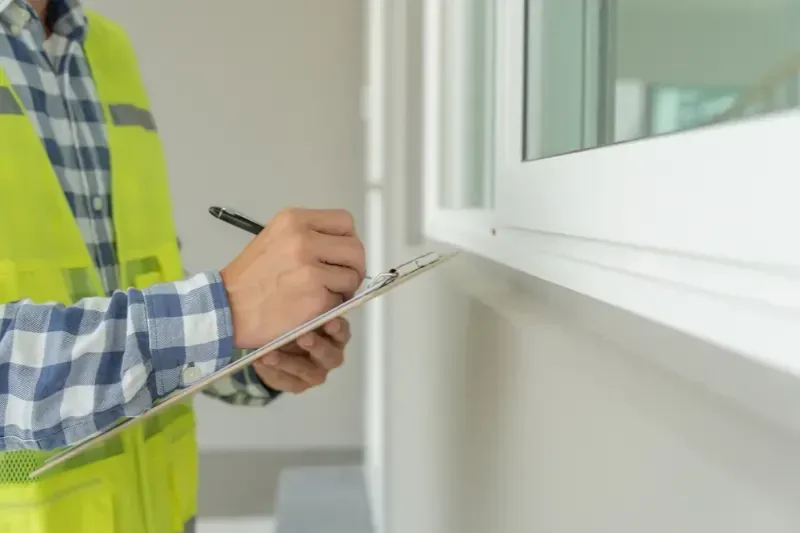
Local Building Codes and Regulations
Understanding Georgia’s specific building codes is essential when addressing unpermitted work. Each county and municipality may have slightly different requirements, though they generally follow state-wide standards.
Common areas requiring permits in Georgia:
-
Structural changes to the home
-
Electrical and plumbing work
-
HVAC installations and replacements
-
Additions that change the home’s footprint
-
Conversion of spaces (garage to living space, etc.)
-
Deck and porch construction
Permit requirements are not unjustified laws—they exist to ensure safety. For example, electrical wiring installed improperly can create fire hazards, while structural modifications without proper engineering can compromise a home’s integrity. Missing permits for these critical systems can pose serious safety risks to occupants.
Before making decisions about how to handle unpermitted work, contact your local government’s building department directly. Many offices offer consultation appointments where you can discuss your situation confidentially and learn about local policies regarding retroactive permitting. This information will help you make informed decisions about whether to pursue legalization or explore alternative selling strategies.
Conclusion
Navigating the challenges of unpermitted work doesn’t have to be overwhelming. Whether you obtain retroactive permits, sell as-is, or find another solution, understanding your options is the first step toward making an informed decision.
Key takeaways for handling unpermitted work:
-
Transparency is always the best policy—disclose what you know
-
Weigh the costs of legalization against potential returns
-
Consider the timeline for your sale—retroactive permitting takes time
-
Explore all options, including selling to cash buyers
-
Seek professional guidance specific to your situation
Remember that transparency and honesty are always the best approach, regardless of which path you choose. Proper disclosure protects you legally while building trust with potential buyers. If you’re feeling uncertain about how to proceed, professional guidance from those who understand both real estate and local building regulations can be invaluable.
For many homeowners facing permit challenges, working with experienced cash buyers provides a straightforward alternative to navigating the complexities of the traditional market. If you need tosell your house fast in Auburn, AL, or the surrounding areas, we’re ready to help with a hassle-free process. We buy houses in Columbus, GA, in any condition, offering a simpler path forward for those looking to sell without the stress of addressing permit issues.
Whatever option you choose, being informed about how to legalize unpermitted work puts you in a stronger position to make the best decision for your situation. Don’t let permit issues keep you trapped in a home you need to sell—contact us today to learn how we can provide a quick, fair cash offer regardless of your home’s permit status.
About the author
Preston Letts
Preston Letts is co-owner of Assured Property Solutions, the family-owned company behind Sell Now Columbus. He has been buying houses in Columbus, Georgia and the Chattahoochee Valley since 2017, and writes practical guides for homeowners selling in every kind of situation.
All guides by Preston LettsNo obligation
Want a real number for your house?
Fair written cash offer, usually within 24 hours.